Even with the occasional discovery of new cannabinoids, CBD remains a therapeutic staple for millions of consumers worldwide. CBD has been scientifically proven to alleviate pain, inflammation, anxiety, depression, mood disorders, nausea, and vomiting. Today, high-quality products based on this component can easily be purchased in Ukraine, for instance, by visiting the specialized shop YouCanna.
Cannabinoids are available in various concentrated forms, including budder, distillate, crumble, diamonds, shatter, and wax. Distillates are highly versatile and can be used in numerous forms and methods, which explains their high demand among CBD enthusiasts. This guide serves as a comprehensive overview of everything you need to know about CBD distillates, including how they are made, different consumption methods, how they differ from CBD isolates, and how you can use the concentrate to take your CBD business to the next level.
What is CBD Distillate?
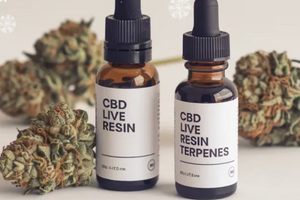
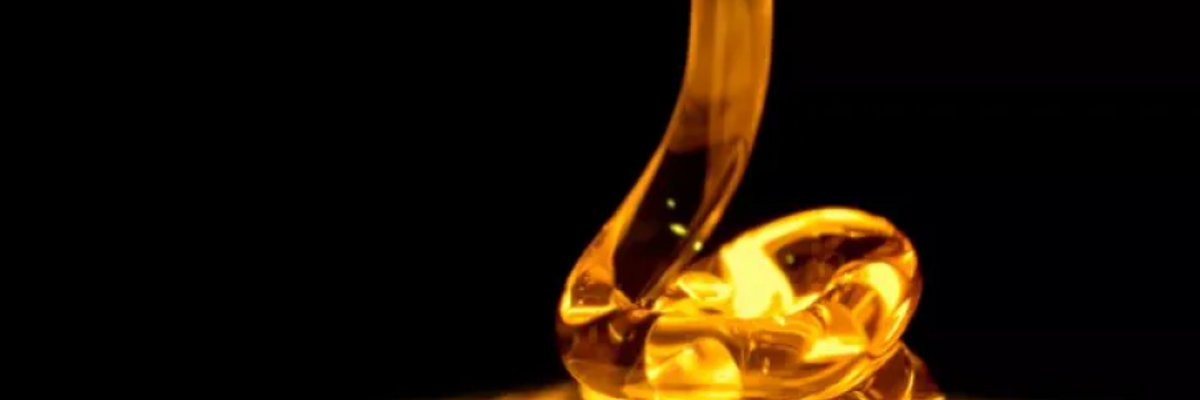
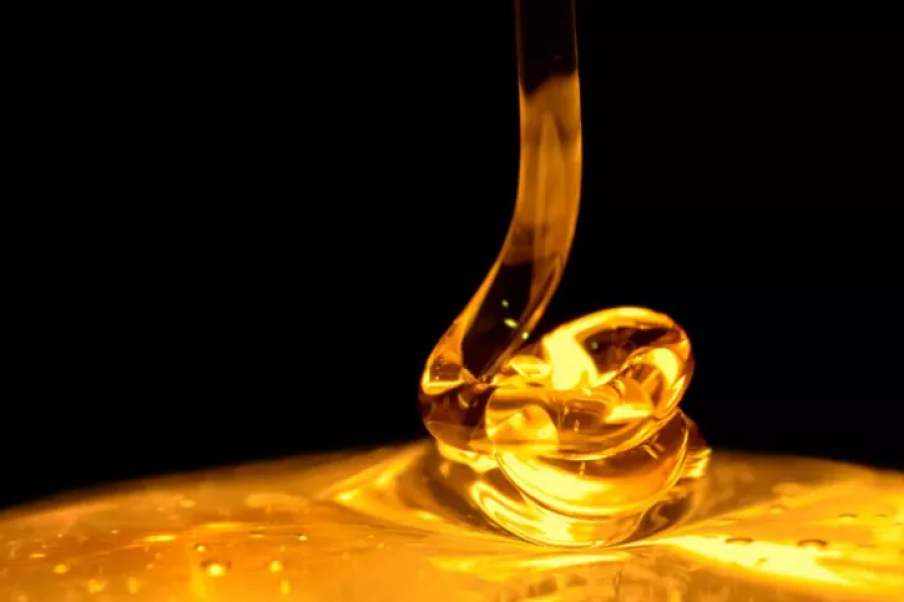
CBD distillate refers to a highly concentrated (70% to 80%) form of CBD that has been meticulously refined through distillation and purification processes. This translucent, viscous CBD concentrate offers endless possibilities for customizing the final product in terms of form, consistency, hue, flavor, and more. CBD brands utilize distillates to create a variety of consumer-friendly products, including edibles, vapes, topicals, and more. Distillates are applicable across multiple industries, such as beauty, food and beverages, sports, and general wellness.
Characteristics of CBD Distillates
CBD distillates possess unique properties that set them apart from CBD oils and other cannabis products. These include:
-
Free of plant matter and chemicals
-
Golden hue
-
Infinite variety of applications (you can explore ready-made solutions on YouCanna)
-
Highly viscous texture
-
Tasteless
-
Odorless
-
Available in full-spectrum or broad-spectrum variants
How are CBD Distillates Made?
CBD distillates are produced via a distillation process. This method involves heating hemp compounds to the boiling point of the specific substance being extracted (in this case, CBD). Cannabinoids have higher boiling points than most other compounds found in hemp. CBD boils at 160°C, THC boils at 157°C, CBN boils at 185°C, and CBC boils at 220°C. Terpenes boil at lower temperatures, meaning they evaporate during this stage. This is why the final CBD distillate turns out odorless and tasteless.
However, terpenes can be separated prior to distillation and reintroduced afterward. Fats and lipids are removed through winterization—a process that uses low temperatures and ethanol to separate impurities, fats, and lipids from raw extracts like crude CBD oil. Below is a brief overview of the stages involved in CBD distillate production:
-
Step 1: Hemp compounds are extracted from the plant material/biomass using various methods, the most popular being solvent extraction (with ethanol) and supercritical CO2 extraction. The latter is considered superior, as solvent extraction can leave residual traces behind.
-
Step 2: The product resulting from extraction is called crude CBD oil. It is dark brown or black and contains all the compounds found in hemp (cannabinoids, terpenes, chlorophyll, flavonoids, fats, and lipids). This crude oil contains around 50% CBD. Winterization is performed by mixing the crude CBD with ethanol and freezing it for 24 hours. The winterized oil is then filtered to remove the separated fats and lipids.
-
Step 3: The remaining compounds are heated at a specific temperature to activate the cannabinoids from their acidic state (decarboxylation).
-
Step 4: The CBD oil is now ready for fractional distillation to isolate individual compounds. The crude CBD passes through a heated flask to facilitate the molecular separation of components. The desired compounds are collected in a temperature-controlled vessel, while impurities are channeled into a separate flask.
-
Step 5: Distillation is repeated multiple times under varying temperatures. As a compound reaches its boiling point in the chamber, it vaporizes, condenses, and separates into a secondary flask. The final product has a distinct golden color and contains 70% to 80% CBD.
Types of CBD Distillates
Understanding the different types of distillates is vital. It helps brands identify the products consumers want and determine if local regulations permit their sale and distribution. For consumers, knowing the types of distillates helps them make informed choices regarding drug testing, local legality, and desired effects. Two primary types of CBD distillates are available:
-
Full-Spectrum CBD Distillate
Contains all the compounds naturally present in the hemp plant. They consist of cannabinoids (70% to 80% CBD alongside other cannabinoids, including THC) and reintroduced terpenes (since they do not survive the initial distillation heat). All these compounds work in synergy to deliver enhanced benefits—a phenomenon known as the "entourage effect." Due to the presence of THC, selling or consuming these products is prohibited in certain countries. Consumers taking full-spectrum CBD risk testing positive on drug screenings.
-
Broad-Spectrum CBD Distillate
Contains the exact same compounds as full-spectrum distillate, except for THC. They are rich in terpenes and cannabinoids, but completely THC-free. The THC molecules are removed via selective distillation processes.
What is the Difference Between CBD Distillate and CBD Isolate?
Both products are highly refined, potent, and concentrated forms of CBD. The core distinctions between CBD distillate and CBD isolate are highlighted below:
| Feature | CBD Distillate | CBD Isolate |
| Form | Viscous liquid | Solid crystalline powder |
| Color | Golden / Amber | White |
| CBD Purity Percentage | 70% to 80% | 99%+ |
| Presence of Other Compounds | Contains other cannabinoids and terpenes | Contains only CBD |
| How it is Made | Distillation process | Following distillation, the product undergoes chromatographic purification to isolate pure CBD |
How to Use CBD Distillates
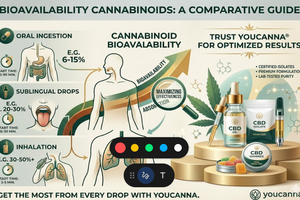
CBD distillate can be consumed in numerous ways due to its exceptional versatility. It can be taken directly as-is by ingesting the recommended dose. As with any edible product, it takes anywhere from 30 minutes to two hours to take effect, providing long-lasting relief from pain, mood imbalances, inflammation, and more.
Distillates are also perfectly suited for sublingual absorption. Placing a small amount of distillate under the tongue allows the capillaries to absorb the concentrated CBD directly into the bloodstream, yielding almost instantaneous effects.
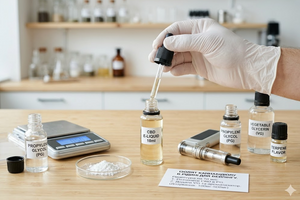
Additionally, distillates can be infused into beverages and food. They make an excellent addition to skincare products, such as lotions, balms, and topical oils. Distillates can also be used to manufacture gummies and baked goods—CBD edibles are highly popular due to their convenience. If you are looking for ready-made, certified, and safe products for wellness or personal care, explore the selection at YouCanna, featuring the best solutions available on the market.